Places you like live across different apps.
Some are saved. Some are bookmarked.
Some were sent by friends and forgotten.
When you want to step out, there’s no single place
that shows what’s actually happening around you.


PRESENTING
This case study focuses on the redesigned user experience, created as a portfolio project.
TOP HEADING
BOTTOM HEADING
TEXT DISAPPEAR
RECTANGLES REMOVE
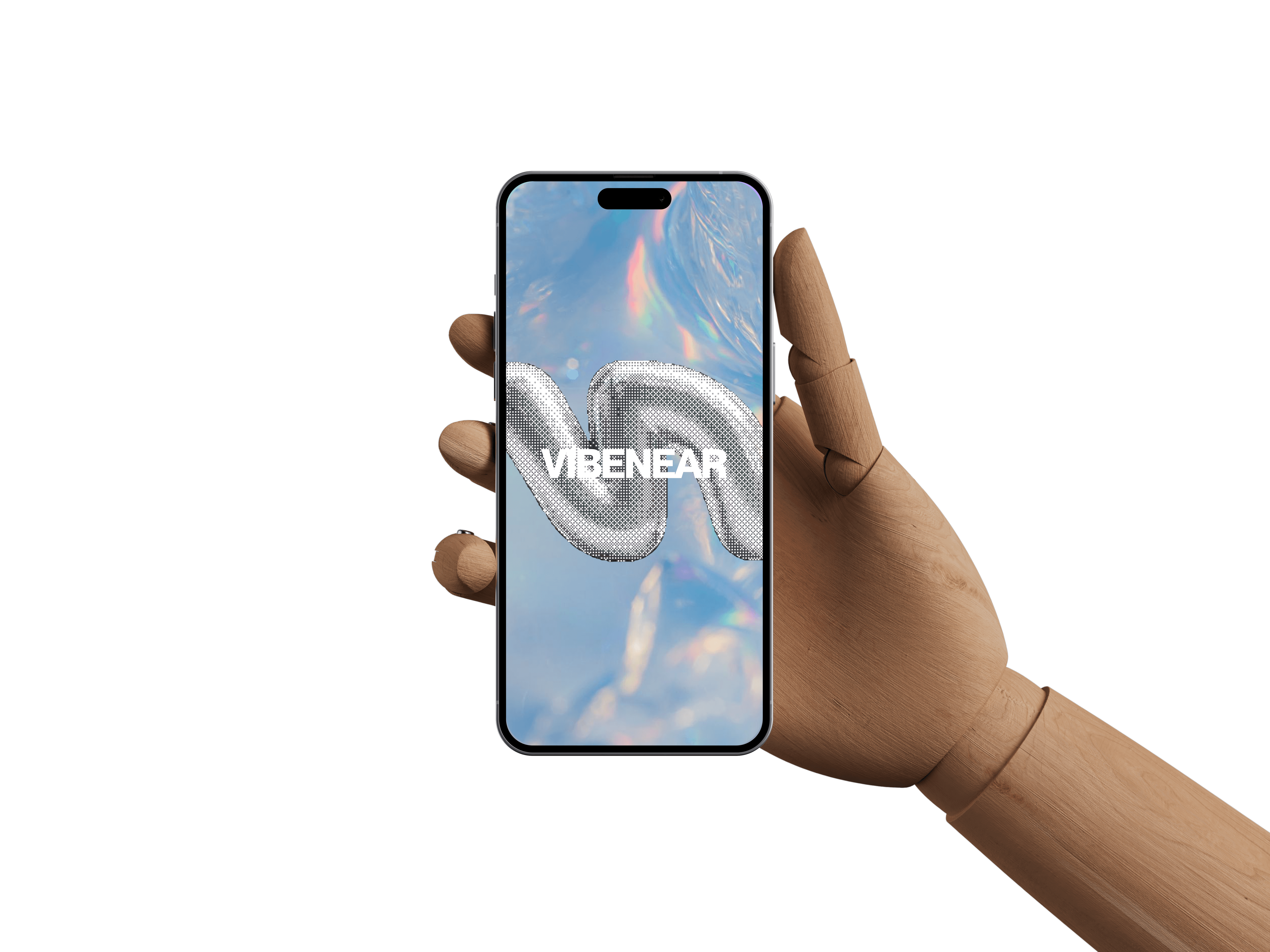
VIBENEAR INTRO




Local first. Social by default. Effortless to explore.
The home screen opens to a live view of what’s around you, combining a map, nearby places, and familiar faces. Discovery starts naturally from location and people, without asking users to search or decide upfront.

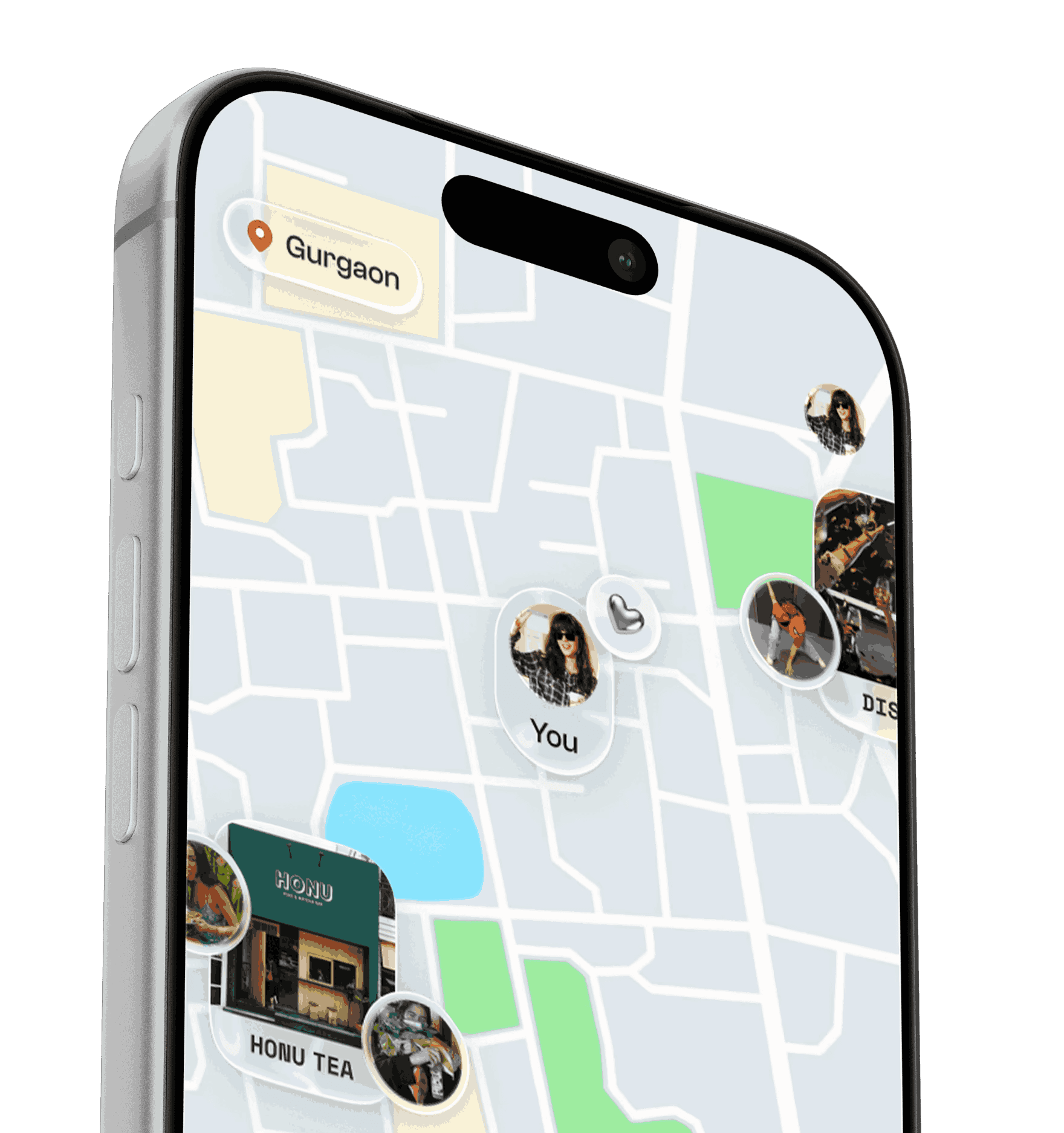








Friends and nearby places live together on the map. Instead of showing locations in isolation, the map highlights where people you know have been and what’s happening around you.
This makes discovery feel more personal and less transactional. You are not browsing a list of options. You are seeing activity unfold around you.
Below the map, updates from places you follow and activity from friends carry the same context forward.
As you scroll, the map steps back and the feed takes focus. The experience shifts smoothly from spatial awareness to content without switching screens.
EXPLORING THROUGH THE MAP

EXPLORING THROUGH THE MAP
Low effort to open.
Enough context to decide.
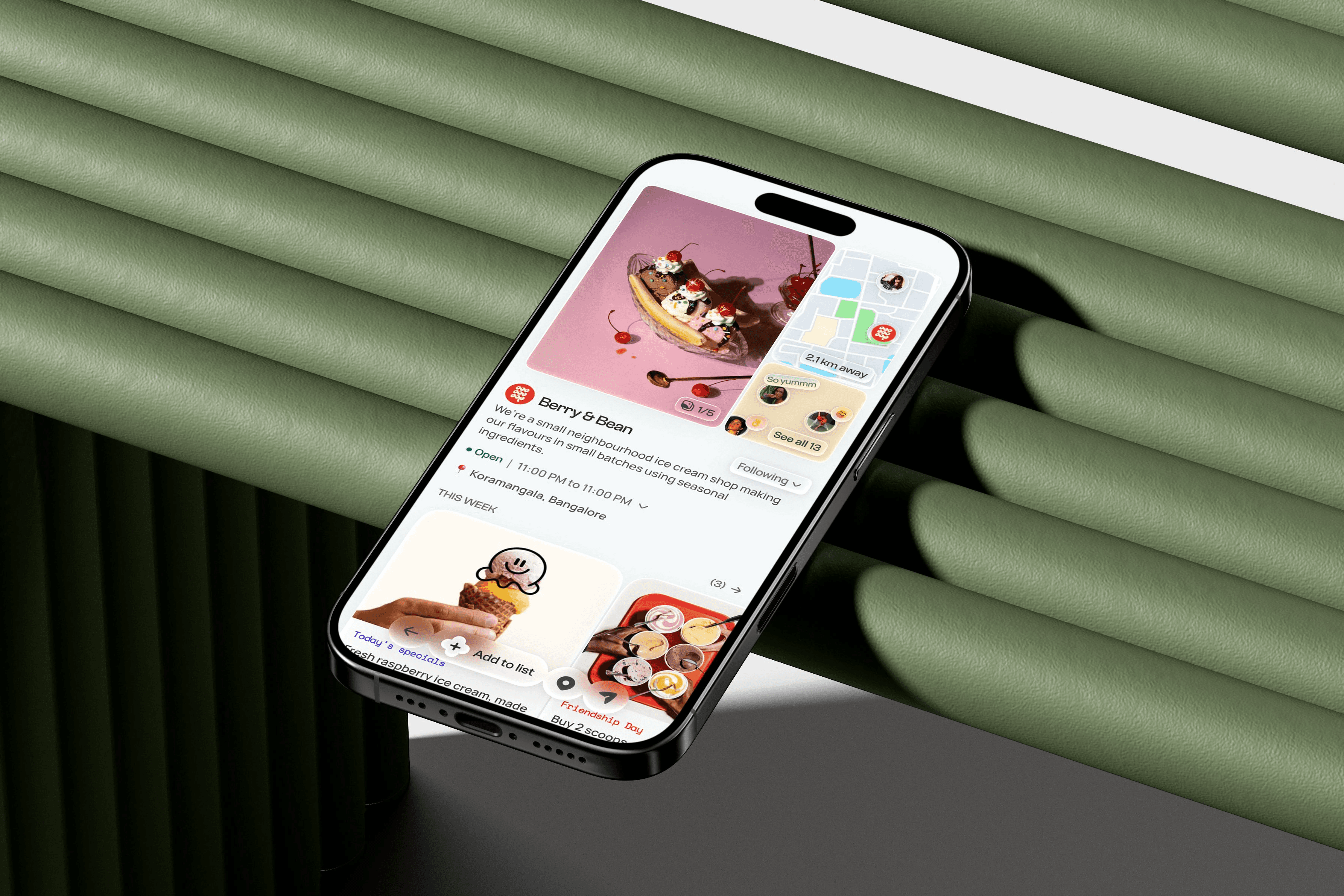
When something on the home screen catches your attention, a single tap opens the full place view. Photos, distance, reviews, and recent updates come together in one place, helping users decide what to do next.
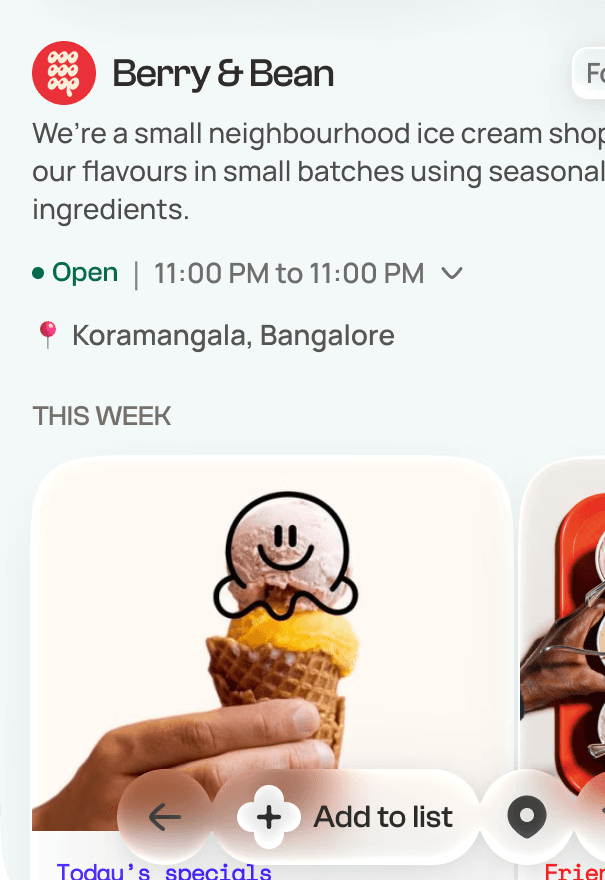
Everything needed to decide, in one scroll
Key information like distance, open hours, follow state, and recent posts are grouped together so users can understand what’s happening at a place without jumping between tabs or views.
People and places share the same space.
Friends and nearby places appear together on the map so discovery is guided by real activity around the user, not isolated locations or generic lists.

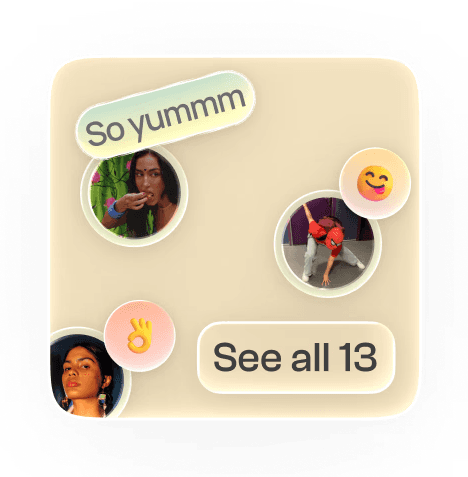
Remember places. Organize intent. Come back later.
When users are not ready to act immediately, they can save places into simple, meaningful lists. Instead of a single catch-all save, places are organized based on intent, making it easier to revisit them when the moment is right.


Different lists for different states of mind.
Places can be saved as Want to go or Been there, separating future intent from past experience and reducing mental clutter.

A personal library of nearby places.
Saved places aren’t just bookmarks. Over time, they form a personal map of places users have explored, liked, or plan to visit again.

01
It always starts with excitement

02
People start sharing ideas

03
The chat gets active

04
Too active

05
Plans start getting buried in messages

06
Nothing feels final anymore

07
So we stop planning

08
And decide to figure it out on the trip

don't worry



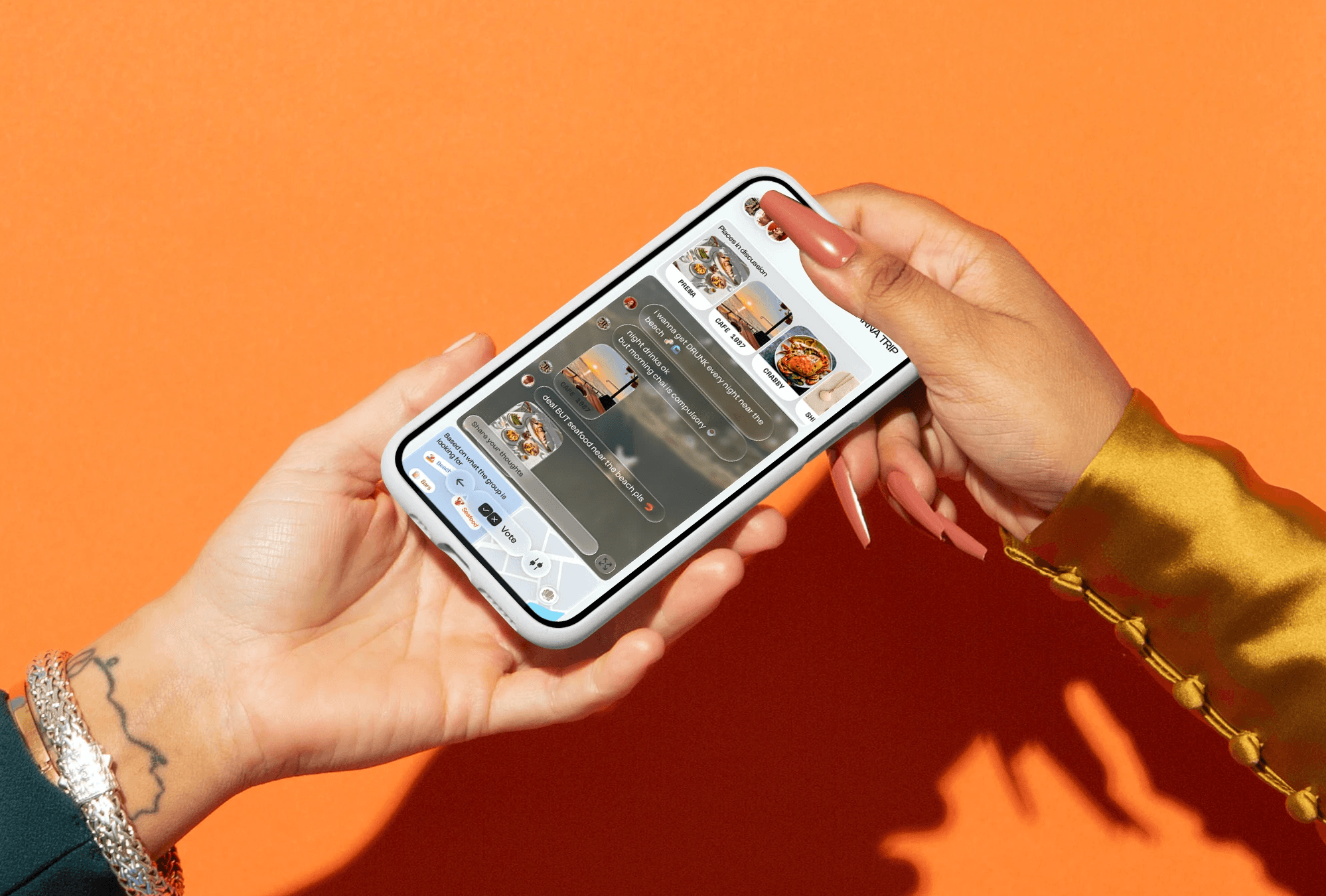
Decide as a group. In one place.
When plans involve more than one person, saving places alone isn’t enough. VibeNear lets users turn saved places into shared lists where friends can suggest options, vote, and talk through decisions together.
Instead of sending links back and forth or switching between apps, planning happens right where discovery already lives.
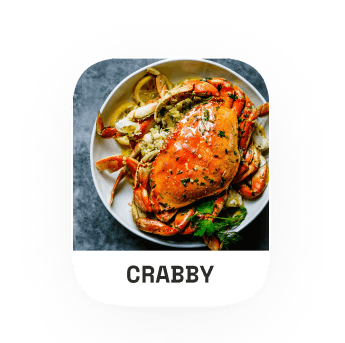
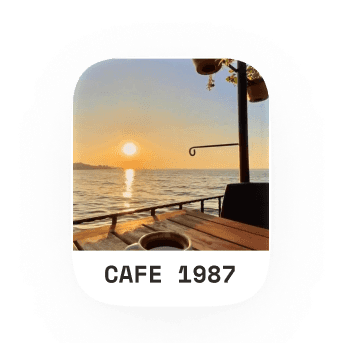

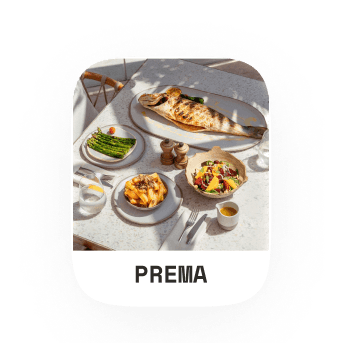


Plans live with the places, not in chats.
Group lists bring suggestions, votes, and conversations together so decisions don’t get lost across messages.
Fewer messages. Clearer decisions.
Voting and quick reactions help groups converge on a plan without long back-and-forth conversations.
When you know what you’re looking for. Or when you don’t.
Sometimes users open the app with a clear idea in mind. Other times, they just want a nudge. Active discovery supports both without pulling users out of context.

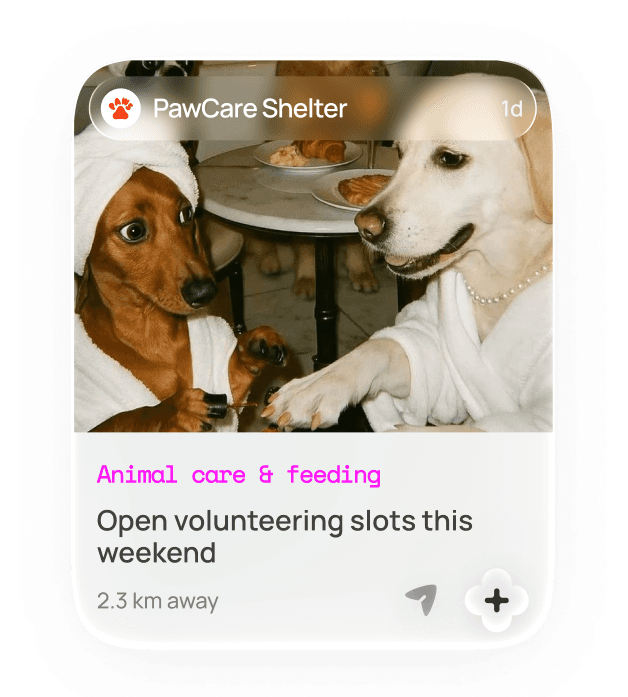
Browse by category when intent is clear.
Categories like food, personal care, shopping, fitness, or social work help users quickly narrow down nearby options when they already know what they want to do.
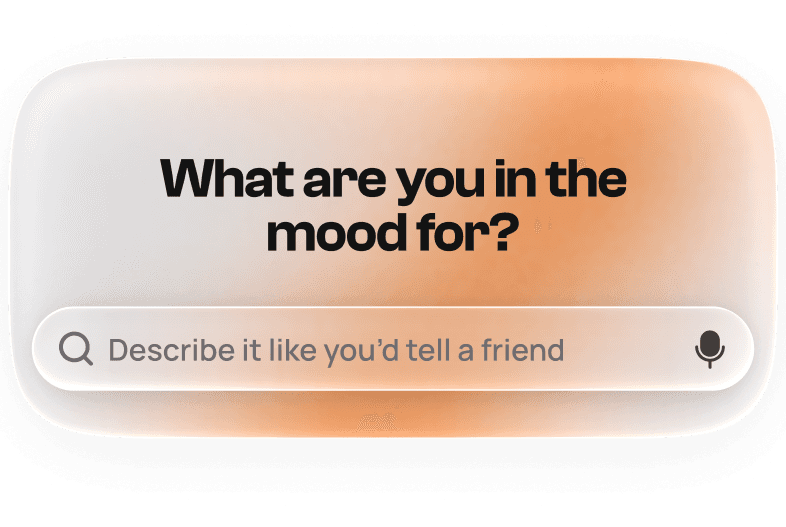
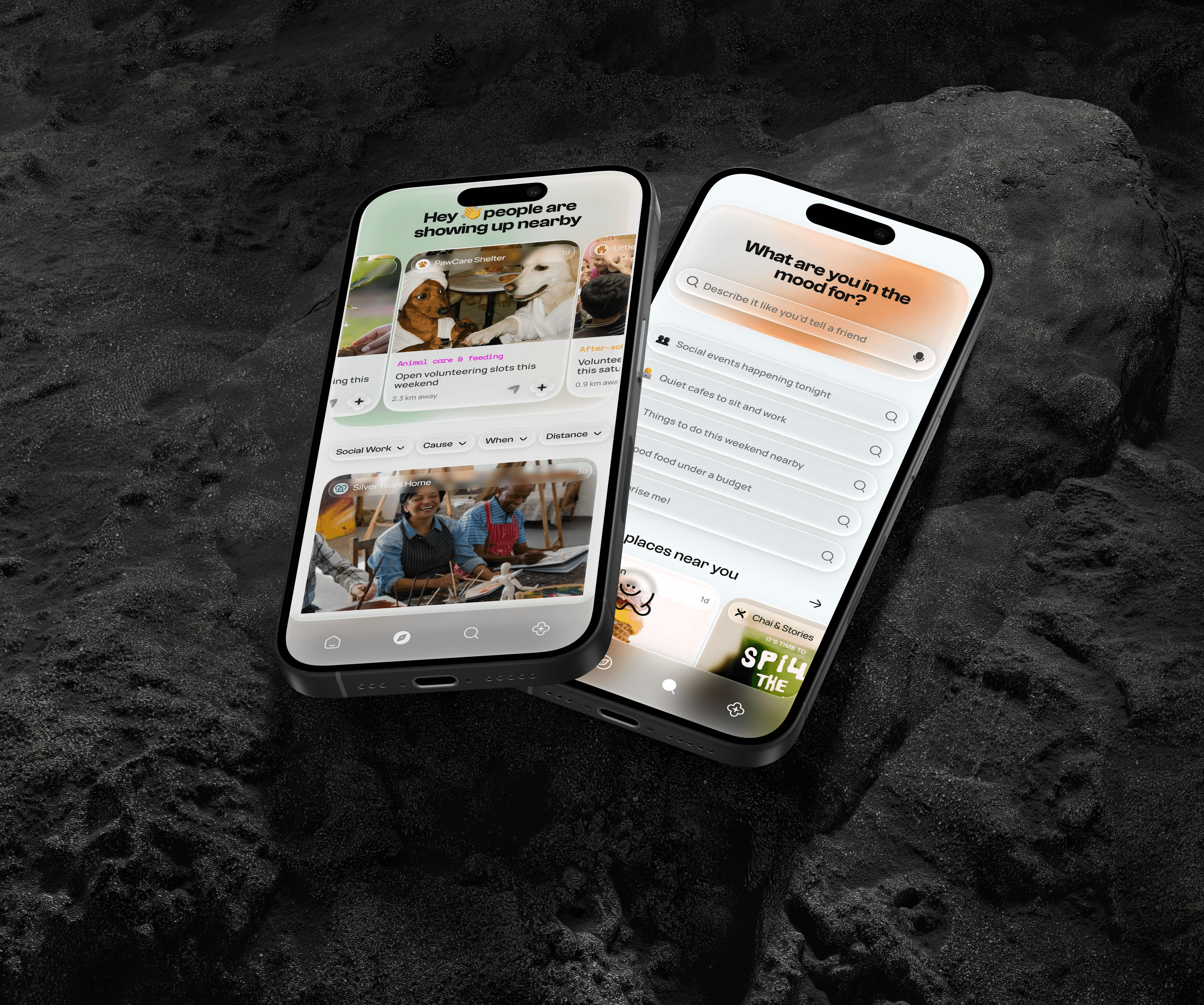
Search when intent is vague.
Search allows users to describe what’s on their mind without worrying about categories, while Surprise me helps when they don’t know what to do and want the app to decide for them.

GET IN TOUCH

OPEN FOR ROLES